If you’re planning a building project, it’s important to be aware of common Permit Mistakes in Lee County.
The construction and renovation process in Southwest Florida requires careful planning, experienced professionals, and proper approvals. One of the most important steps in any construction project is navigating the Lee County permitting process correctly.
Even experienced contractors and homeowners sometimes encounter problems during the permit approval process. Small errors, missing documentation, or misunderstandings about local regulations can delay permits, trigger rejections, or force costly revisions.
Understanding the most common Lee County permitting mistakes can help property owners and contractors avoid delays, keep projects moving forward, and ensure compliance with local building codes.
Furthermore, this guide explains the most frequent permit mistakes in Lee County and how to avoid them so your project stays on schedule.
Why Avoiding Permitting Mistakes Matters
Lee County requires permits to ensure construction projects meet safety, zoning, and structural requirements. The Lee County permitting system exists to protect property owners, neighbors, and infrastructure by ensuring projects follow building codes and regulations.
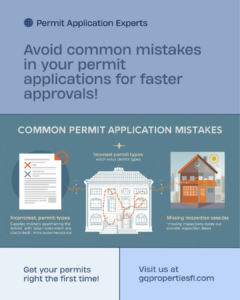
Submitting permits incorrectly or overlooking requirements can lead to:
-
Permit application rejection
-
Delays in project start dates
-
Additional review cycles
-
Stop-work orders
-
Costly construction revisions
-
Failed inspections
Consequently, these issues can significantly slow down a project and increase costs.
Avoiding common Lee County permitting mistakes ensures the process moves efficiently and reduces unnecessary frustration.
Incomplete Documentation
One of the most common mistakes in Lee County permitting is submitting incomplete documentation.
Permit applications require detailed information so building departments can review projects for safety and code compliance. Missing paperwork is a primary reason building departments delay or reject permits.
Common Documentation Problems
Incomplete documentation may include:
-
Missing construction plans
-
Unsigned application forms
-
Missing contractor license information
-
Incomplete product approvals
-
Missing engineering details
-
Missing insurance or workers’ compensation documentation
Even small missing items can cause an application to be placed on hold until the information is provided.
How to Avoid This Mistake
Before submitting a permit application, make sure all required documentation is included.
A complete submission for Lee County permitting should include:
-
Detailed construction plans
-
Contractor license verification
-
Property information
-
Product approvals for materials such as windows or roofing
-
Required signatures and approvals
Carefully reviewing documentation before submission can prevent delays and reduce the need for revisions.
Code Compliance Issues
Another frequent issue in the Lee County permitting process occurs when construction plans do not meet building code requirements.
The Florida Building Code establishes strict standards for structural safety, electrical systems, plumbing, mechanical systems, and hurricane protection. Lee County and local municipalities enforce these codes through their permit review process.
Common Code Compliance Problems
Permit applications may be delayed if the submitted plans include:
-
Structural designs that do not meet load requirements
-
Roofing systems that do not meet wind resistance standards
-
Electrical systems that do not follow code guidelines
-
Plumbing layouts that do not meet safety requirements
-
Incomplete engineering documentation
If plans do not meet code requirements, reviewers will request revisions before approving the permit.
How to Avoid Code Compliance Issues
Ensuring that plans meet building code standards before submission is critical for successful Lee County permitting.
Working with experienced architects, engineers, or permit specialists can help ensure plans comply with:
-
Florida Building Code requirements
-
Local zoning regulations
-
Wind mitigation and hurricane protection standards
Proper planning can significantly reduce the risk of permit rejection.
Incorrect Permit Selection
Another common mistake during Lee County permitting is selecting the wrong permit type.
Construction projects often require different types of permits depending on the scope of work. Choosing the incorrect category can confuse the review process and delay approval.
Examples of Incorrect Permit Selection
Examples include:
-
Applying for a minor renovation permit when structural work is involved
-
Submitting a roofing permit for a project that includes structural repairs
-
Selecting a residential permit category for a commercial project
-
Applying for electrical permits separately when they should be included in a primary permit
Incorrect permit categories can require the application to be revised or resubmitted.
How to Choose the Correct Permit
Before submitting an application, confirm the type of permit required for the project.
Permit types typically depend on:
-
Scope of construction work
-
Property zoning classification
-
Structural modifications
-
Electrical, plumbing, or HVAC systems involved
Understanding which permit category applies ensures the Lee County permitting process moves forward smoothly.
Missed or Improper Inspections
Permit approval is only one part of the Lee County permitting process. Inspections are required throughout construction to verify that work meets approved plans and safety standards.
Missing inspections or scheduling them incorrectly can create major issues for a project.
Common Inspection Mistakes
Inspection issues may include:
-
Scheduling inspections too early before work is ready
-
Failing to schedule required inspections
-
Proceeding with construction before passing inspection
-
Not having the permit documentation available during inspection
If inspections are missed or failed, work may need to be redone before the project can move forward.
How to Avoid Inspection Problems
Careful coordination is essential for inspections during Lee County permitting.
Best practices include:
-
Scheduling inspections at the correct construction stage
-
Ensuring all required work is complete before inspection
-
Keeping permit documentation available for inspectors
-
Communicating clearly with contractors and inspectors
Proper inspection management ensures projects remain compliant with permit requirements.
Starting Work Before Permit Approval
Some property owners assume that small projects can begin before permits are officially approved. This is a serious mistake in the Lee County permitting process.
Starting construction without approved permits can result in:
-
Stop-work orders
-
Financial penalties
-
Permit complications
-
Required demolition or reconstruction
Even minor renovations may require permits depending on the scope of work.
Before beginning any project, always verify whether Lee County permitting is required.
Hiring Unlicensed Contractors
Another issue that can affect permit approval is working with contractors who do not have proper licensing or insurance.
Permit applications require contractor credentials to ensure work is performed by qualified professionals.
Problems may occur if:
-
Contractors do not hold valid licenses
-
Insurance documentation is missing
-
Workers’ compensation coverage is not verified
These issues can prevent permits from being approved or cause complications during inspections.
Working with licensed professionals ensures the Lee County permitting process moves forward without unnecessary delays.
Ignoring City-Specific Permitting Requirements
Lee County includes multiple municipalities, each with its own administrative procedures and permitting requirements.
Cities such as Fort Myers, Cape Coral, and Bonita Springs may require additional documentation or approvals beyond county regulations.
Ignoring these city-level requirements can slow down the Lee County permitting process.
For example:
-
Some cities require additional zoning approvals
-
Certain projects may require environmental review
-
Historic districts may have design restrictions
Understanding local rules is essential when submitting permits in different areas of Lee County.
How Professional Permit Services Help Prevent Mistakes
Because the Lee County permitting process involves multiple steps, documentation requirements, and inspections, many property owners choose to work with permit professionals.
Professional permit services help prevent common mistakes by managing the entire process.
Benefits of professional permitting services include:
-
Accurate application preparation
-
Complete documentation submission
-
Code-compliant plan review
-
Proper permit category selection
-
Inspection coordination
-
Communication with building departments
Experienced permit specialists understand how the Lee County permitting system works and can help avoid delays caused by common mistakes.
Keep Your Construction Project on Track
Construction projects involve significant investments of time and money. Avoiding common Lee County permitting mistakes helps ensure your project moves forward smoothly.
By preparing complete documentation, verifying code compliance, selecting the correct permit type, and coordinating inspections properly, property owners and contractors can avoid delays and unnecessary costs.
Understanding the permit process is one of the most important steps in successful construction planning.
Need Help With Lee County Permitting?
Navigating the Lee County permitting process can be complicated, especially for property owners managing construction projects for the first time.
GQ Properties provides professional permitting services designed to simplify the process from start to finish. Our team helps ensure that permit applications are prepared correctly, submitted efficiently, and approved as quickly as possible.
Whether you’re planning a renovation, replacing a roof, installing new windows, or building an addition, we can help ensure your permits are handled correctly.
Contact GQ Properties today to simplify your Lee County permitting process and keep your project moving forward.
📞 Call: 239-292-3194
📧 Email: services@gqpropertiesfl.com
📝 Contact us online for a consultation