
If you’re planning a ceiling fan installation, this guide will help you get started.
A Complete Guide for Southwest Florida Homeowners
Ceiling fans aren’t just a comfort feature in Florida they’re a necessity. With year-round heat, humidity, and rising energy costs, a properly installed ceiling fan can significantly improve airflow, reduce cooling expenses, and make your home more comfortable.
But here’s the reality: improper ceiling fan installation can be dangerous. From loose mounts to faulty wiring, even small mistakes can lead to electrical hazards, ceiling damage, or injury.
In this guide, we’ll walk you through how to install ceiling fans safely in Southwest Florida homes, what to watch out for, and when it’s best to call a professional like GQ Properties.
Why Ceiling Fans Are Essential in Florida Homes
Living in Southwest Florida means dealing with heat and humidity almost year-round. Ceiling fans help by: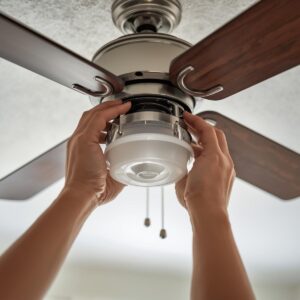
- Improving air circulation
- Reducing reliance on air conditioning
- Lowering energy bills
- Enhancing indoor comfort
- Helping prevent moisture buildup
When installed correctly, a ceiling fan can make a room feel up to 4–5 degrees cooler, allowing you to raise your thermostat without sacrificing comfort.
The Risks of Improper Ceiling Fan Installation
Installing a ceiling fan might seem like a simple DIY project but it comes with real risks if done incorrectly.
⚠️ Common Problems from Poor Installation
Loose mounting
Fans that aren’t securely attached can wobble or worse, fall.
Electrical hazards
Incorrect wiring can cause short circuits, power failure, or fire risks.
Unbalanced blades
Leads to noise, wobbling, and premature wear.
Ceiling damage
Improper support can crack drywall or damage ceiling joists.
Injury risk
A falling or unstable fan can cause serious harm.
In Florida homes especially older properties or those exposed to humidity these risks are even higher.
Key Considerations for Safe Ceiling Fan Installation
1. Proper Electrical Connections
Electrical safety is the most important part of installing a ceiling fan.
What You Need to Know:
- Turn off power at the breaker (not just the switch)
- Use the correct wiring connections (hot, neutral, ground)
- Secure all wire nuts tightly
- Ensure the electrical box is rated for ceiling fans
Important: Standard light fixture boxes are often not strong enough to support a ceiling fan.
2. Secure Mounting
A ceiling fan must be mounted to a properly rated electrical box that is attached to a ceiling joist or support brace.
Safe Mounting Includes:
- Using a fan-rated electrical box
- Securing directly into a ceiling joist or brace
- Tightening all mounting screws
- Ensuring no movement after installation
In Southwest Florida, where vibrations and humidity can weaken materials over time, secure mounting is critical.
3. Balanced Fan Blades
An unbalanced fan can wobble, make noise, and reduce lifespan.
How to Ensure Balance:
- Install blades evenly and tightly
- Use a balancing kit if needed
- Check for warping or damage
- Test fan at multiple speeds
A properly balanced fan runs quietly and smoothly.
4. Proper Ceiling Height and Clearance
For safety and efficiency, your fan must be installed at the correct height.
Recommended Guidelines:
- At least 7 feet above the floor
- 8–9 feet is ideal
- At least 18 inches from walls
For higher ceilings, a downrod may be required.
5. Outdoor vs Indoor Fans
Florida homeowners often install fans on lanais, patios, or porches.
Important Distinction:
- Indoor fans → Not moisture-resistant
- Damp-rated fans → For covered outdoor areas
- Wet-rated fans → For direct exposure to rain
Using the wrong type can lead to electrical issues and corrosion.
Step-by-Step Ceiling Fan Installation Guide
1: Turn Off Power
Always shut off power at the breaker panel and verify with a voltage tester.
2: Remove Existing Fixture
- Take down the old light fixture
- Disconnect wiring carefully
- Inspect the electrical box
3: Install Fan-Rated Electrical Box
If your current box isn’t fan-rated:
- Replace it with a ceiling fan support box
- Secure it to a joist or brace
4: Assemble the Ceiling Fan
- Attach blades
- Install mounting bracket
- Prepare wiring
5: Connect Wiring
Match wires correctly:
- Black → hot
- White → neutral
- Green or copper → ground
Secure all connections with wire nuts.
6: Mount the Fan
- Attach fan to bracket
- Tighten all screws
- Ensure no wobbling
7: Install Blades and Light Kit
- Secure blades evenly
- Attach light fixture if included
8: Test the Fan
- Restore power
- Test all speeds
- Check for wobbling or noise
Why Hire a Handyman for Ceiling Fan Installation?
While DIY is possible, hiring a professional is often the safer and smarter choice especially in Florida homes.
Benefits of Hiring GQ Properties
✔ Safety First
Avoid electrical hazards and structural issues.
✔ Proper Tools & Experience
Professionals know how to handle wiring, mounting, and balancing correctly.
✔ Time-Saving
What takes a homeowner hours can be done quickly and efficiently.
✔ Clean, Professional Finish
No exposed wires, crooked mounts, or wobbling fans.
✔ Peace of Mind
Know the job is done right the first time.
Maintenance Tips for Long-Lasting Ceiling Fans
To keep your ceiling fan running smoothly:
- Clean blades regularly (dust buildup affects balance)
- Check screws and mounts periodically
- Listen for unusual noises
- Rebalance if wobbling occurs
- Inspect after storms or humidity exposure
Routine maintenance can extend the life of your fan and prevent issues.
Common Ceiling Fan Installation Mistakes to Avoid
- Using a standard electrical box instead of a fan-rated box
- Skipping proper mounting support
- Incorrect wiring connections
- Ignoring blade balance
- Installing indoor fans outdoors
- Mounting too low or too close to walls
Avoiding these mistakes ensures safety and performance.
Frequently Asked Questions
How long does it take to install a ceiling fan?
Most installations take 1–2 hours, depending on complexity.
Can I replace a light fixture with a ceiling fan?
Yes but only if the electrical box is rated to support a fan.
Why is my ceiling fan wobbling?
Usually due to unbalanced blades, loose screws, or improper mounting.
Do ceiling fans help reduce energy bills?
Yes by improving airflow, they allow you to raise your thermostat and save on cooling costs.
Serving Southwest Florida Homeowners
GQ Properties proudly provides ceiling fan installation and handyman services throughout:
- Fort Myers
- Cape Coral
- Lehigh Acres
- Estero
- Bonita Springs
- North Fort Myers
- San Carlos Park
- And surrounding areas
Ready for Safe, Professional Ceiling Fan Installation?
Don’t risk your safety with improper installation. Whether you’re upgrading a room or replacing an old fixture, GQ Properties delivers reliable, professional results you can trust.
📞 Contact GQ Properties Today
Schedule your installation or request a free estimate.
📞 Call: 239-292-3194
📧 Email: services@gqpropertiesfl.com
📝 Request a quote online
GQ Properties — Your Trusted Handyman in Southwest Florida
“Need help with repairs or maintenance around your Southwest Florida home? Reach out to GQ Properties FL—we’re here to help.”