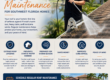
When considering a new roof for your home, understanding your roofing material choices is essential for making the best decision.
Buying a home or updating your current property in beautiful Southwest Florida is a major achievement. Whether you live in a sunny coastal neighborhood in Fort Myers, a vibrant waterfront home in Cape Coral, or a quiet retreat in Punta Gorda, your house is your sanctuary. However, protecting that sanctuary requires a deep understanding of our unique regional climate.
The top layer of your house takes the ultimate beating from our brutal subtropical elements. In our region, properties endure relentless sun exposure, coastal salt air, heavy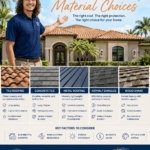 tropical rains, and high winds. Therefore, deciding on a new overhead covering is one of the most critical financial investments you will ever make as a property owner.
When it comes to safeguarding your structure, navigating the market can feel incredibly overwhelming. Fortunately, understanding the pros, cons, and lifespans of different products will give you complete confidence in your decision. This guide breaks down the top choices for local properties so you can choose the absolute best option for your budget and lifestyle.
Understanding the Climate Impact on Roofing Material Choices
Before exploring your visual options, you must analyze how our regional weather affects building materials. Southwest Florida features a beautiful but demanding climate that dramatically shortens the lifespan of standard building products.
The Hidden Toll of Extreme Florida Humidity and Heat
First, our constant, dense air moisture creates an aggressive environment for residential properties. High humidity levels act as an open invitation for blue-green algae, mold spores, and dark mildew streaks to grow on your exterior surfaces.
Furthermore, the relentless, daily ultraviolet (UV) radiation from the sun cooks standard materials from above. This extreme thermal exposure causes materials to expand during the blistering afternoon and contract rapidly when evening rain showers arrive. Consequently, this continuous movement causes low-grade materials to crack, buckle, and fail long before their advertised expiration date.
Surviving Torrential Storms and High Winds
Second, our intense summer thunderstorm season and annual tropical hurricanes bring severe wind uplift forces and driving rains. In Southwest Florida, structural elements must comply with strict regional building regulations designed to resist wind speeds starting at 130 to 160 mph.
If your overhead covering fails to shed water perfectly during a storm, moisture will breach your secondary water barrier. Once rain water gets underneath, it can rot your plywood decking and ruin your interior drywall. Therefore, evaluating durability under storm pressure is a non-negotiable step when reviewing roofing material choices.
Comparing Popular Roofing Material Choices for Florida Properties
Homeowners in Lee County and Charlotte County generally choose between three traditional styles. Each option offers a distinct balance of upfront affordability, long-term structural resilience, and architectural curb appeal.
+------------------------+-------------------+--------------------+-------------------+
| Roofing Material Type  | Average FL Life   | Wind Resistance    | Upfront Cost Tier |
+------------------------+-------------------+--------------------+-------------------+
| Architectural Shingles | 18 to 25 Years    | Uppoint to 110 mph | Budget-Friendly   |
| Concrete & Clay Tiles  | 40 to 50+ Years   | Uppoint to 150 mph | Premium           |
| Standing-Seam Metal    | 50 to 70 Years    | Uppoint to 180 mph | High-End          |
+------------------------+-------------------+--------------------+-------------------+
1. Architectural Asphalt Shingles
Asphalt shingles remain the most common selection across the United States because of their budget-friendly nature. However, traditional thin three-tab shingles do not hold up well in our coastal environment. Instead, modern homeowners should always choose thick, multi-layered architectural shingles.
Pros: This option is highly affordable upfront and comes in a massive variety of colors to match any neighborhood aesthetic. Additionally, individual shingles are quick and inexpensive to repair if minor damage occurs.
Cons: Shingles carry the shortest lifespan in our climate, typically lasting only 18 to 25 years due to intense UV degradation. They also offer lower wind resistance compared to heavier alternative systems.
2. Traditional Concrete and Clay Tiles
Look around any luxury neighborhood in Estero or Bonita Springs, and you will see stunning barrel tile designs. Tile is deeply woven into the classic Mediterranean-style architecture of our region.
Pros: Tiles are completely immune to rot, insects, and salt air corrosion. They provide excellent weight to resist high wind uplift and can easily last 50 to 100 years.
Cons: This is a heavy, premium investment that requires a sturdy structural frame underneath. Additionally, while the tiles themselves last for a century, the waterproofing underlayment beneath them must be completely replaced every 20 to 25 years.
3. Modern Standing-Seam Metal Roofing
Metal systems have surged in popularity across Southwest Florida over the last decade. Modern standing-seam designs feature hidden, interlocking fasteners that protect the structural decking from water intrusion.
Pros: Metal offers unparalleled wind resistance, often surviving gusts up to 180 mph without budging. It is incredibly lightweight, completely fire-resistant, and sheds heavy rain effortlessly. For many local homeowners, this is the final system they will ever need to buy.
Cons: The initial installation cost is significantly higher than asphalt shingles. Furthermore, walking on metal surfaces requires specialized professional care to avoid denting the panels.
Energy Efficiency and Visual Style Considerations
Beyond choosing a durable structural shield, your roofing material choices directly impact your monthly utility bills and your neighborhood curb appeal. Making an energy-conscious decision can save you thousands of dollars in cooling costs over the lifespan of your property.
Boosting Your Home’s Energy Efficiency
Because our local temperatures hover in the 80s and 90s for most of the year, your air conditioning system works incredibly hard to maintain comfortable indoor spaces. Dark, traditional asphalt shingles absorb massive amounts of radiant heat, transferring that thermal energy straight into your attic space.
In contrast, modern metal systems and concrete tiles act as highly effective reflective barriers. Opting for a light-colored “cool roof” or a reflective metal finish bounces solar radiation away from your structure. This simple design choice lowers attic temperatures by up to 30 degrees, reducing your cooling energy consumption by 10% to 15% during peak summer months.
Elevating Your Property’s Curb Appeal
Similarly, you want a system that complements your home’s architectural design. Concrete tiles add an elegant, upscale dimension to classic coastal homes, while sleek metal panels deliver a clean, modern aesthetic. If you live within a local Homeowners Association (HOA), always review your community’s architectural guidelines before locking in your material selection.
Cost Considerations and Evaluating Long-Term Value
When evaluating different residential options, you must look past the initial price tag and focus on the overall life-cycle cost. A cheaper upfront choice can easily become more expensive if it requires frequent repairs or early replacement.
               UPFRONT COST VS. LIFESPAN VALUE

[Asphalt Shingles] $$$
=============== (Lasts 18-25 Years - May need 2-3 replacements)

[Concrete Tiles]   $$$$$$$$$
========================================= (Lasts 50+ Years)

[Standing Metal]   $$$$$$$$$$$$
========================================================= (Lasts 50-70 Years)
Factor in Homeowners Insurance Discounts
In Southwest Florida, homeowners insurance is a major part of your annual property budget. Insurance companies increasingly penalize homeowners with aging or vulnerable properties. In fact, many local carriers will threaten to drop coverage entirely if an asphalt shingle roof passes the 15-year mark.
Conversely, upgrading to an impact-rated standing-seam metal system or a heavy tile system can trigger substantial premium discounts. These insurance savings, combined with lower monthly energy bills, help offset the higher initial installation price over time.
The True Cost of Structural Repairs
Additionally, consider the cost of labor and future storm disruptions. While asphalt shingles save you money today, you will likely have to pay for a full replacement twice during the lifespan of a single metal or tile alternative. Investing in premium durability protects your home from hidden water leaks, drywall rot, and structural frame damage for decades to come.
Partner with GQ Properties for Your Home Maintenance Projects
In summary, choosing the best overhead protection involves balancing your immediate financial budget with long-term climate resilience. By carefully reviewing your roofing material choices, you can keep your property safe, energy-efficient, and looking beautiful for years to come.
However, managing an entire home exterior can feel incredibly stressful without a trusted professional in your corner. If you need help preparing your current home for storm season, repairing damaged interior drywall from an old leak, or maintaining your property’s exterior surfaces, we are always here to help.
At GQ Properties, we take the stress out of home sales by handling your property repairs quickly, correctly, and professionally. We proudly serve homeowners and property managers throughout our local communities, including:
Let us handle the hard work so you can fully relax and enjoy the incredible Florida lifestyle. Contact GQ Properties today to schedule a friendly consultation for your home, or call us directly to discuss your upcoming project needs!
📞 Call: 239-292-3194
📧 Email: services@gqpropertiesfl.com
📝 Request a quote online
GQ Properties — Your Trusted Handyman in Southwest Florida
Useful External Resources for Florida Homeowners
Review current regional structural standards and updates at the Florida Building Code Online.
Read official guidelines on moisture control and mold prevention from the Florida Department of Health.
- Learn about storm protection systems and consumer resources from the Florida Department of Financial Services.
“Need help with repairs or maintenance around your Southwest Florida home? Reach out to GQ Properties FL—we’re here to help.”