If your house has recently weathered a storm, our Post-Storm Home Repair Checklist will guide you through all the essential next steps.
Living in Southwest Florida means enjoying some of the most beautiful coastlines, vibrant communities, and sun-drenched days in the country. From the waterfront properties of Cape Coral and the historic neighborhoods of Fort Myers to the beautiful coastal getaways of Sanibel, Captiva, Bonita Springs, and Estero, our region is a truly spectacular place to call home. But as any seasoned Florida resident knows, our tropical paradise comes with a seasonal trade-off: severe weather.
When a major tropical storm or hurricane sweeps through the Gulf, it leaves behind more than just scattered palm fronds. The high winds, torrential downpours, and intense storm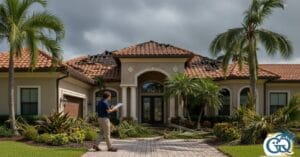 surges can push your home’s structure to its absolute limits. Once the skies clear, the clock starts ticking. In our unique climate, delayed action can turn a minor, easily fixable issue into a massive, costly structural headache.
To help you navigate the aftermath of a severe weather event safely and systematically, we have compiled a comprehensive Post-Storm Home Repair Checklist. By following these steps, you can protect your family, safeguard your investment, and ensure your property is restored to its pristine, pre-storm condition.
1. Safety First: What to Do Before You Inspect
Before diving into your Post-Storm Home Repair Checklist, it is vital to prioritize personal safety. The immediate aftermath of a Southwest Florida storm can present hidden hazards that require cautious navigation.
Check for Downed Power Lines: Never approach downed utility lines or trees leaning against power wires. Assume every downed line is live and dangerous, and report them immediately to FPL or LCEC.
Watch for Standing Water: Avoid walking through standing water near your home’s exterior. It can conceal sharp debris, displaced local wildlife (like snakes or fire ants), or even carry an electrical current from submerged outlets or compromised wiring.
Beware of Structural Instability: If you notice severe shifting, major cracking, or a partially collapsed porch or carport, do not enter the structure. Call in professionals immediately.
Dress for the Job: Before stepping outside, put on heavy-duty, puncture-resistant work boots, thick leather work gloves, and safety glasses.
Once you have verified that the immediate environment is secure, grab your smartphone to document everything with photos and videos for insurance purposes, and begin your systematic inspection.
2. Step 1 of the Post-Storm Home Repair Checklist: Inspect Your Roof
Your roof is your home’s primary line of defense against severe weather. During a Southwest Florida storm, roofs endure relentless uplift forces and driving rain. Inspecting your roof immediately after a storm is the critical first step on your checklist.
Conduct a Ground-Level Visual Inspection
You do not need to climb onto a slick, potentially damaged roof to spot major issues. Grab a pair of binoculars and walk your property line to look for these common signs of roof damage:
Missing or Damaged Shingles: Look for spots where shingles have completely torn away, leaving the black underlayment exposed. For tiled roofs common in communities like Estero and Bonita Springs, check for cracked, broken, or completely displaced tiles.
Lifted or Curled Shingles: Even if shingles are still attached, strong winds can break their adhesive seals, causing them to curl or lift. This allows future rains to blow directly underneath them.
Damaged Flashing and Valleys: Check the metal flashing around chimneys, vents, and roof valleys. If these components are bent, loose, or missing, your roof is highly vulnerable to water penetration.
Examine Your Gutters, Downspouts, and Soffits
Your roof’s water management system is incredibly important for protecting your foundation.
Gutter Sagging and Disconnection: Heavy rainfall mixed with flying debris can weight down gutters, causing them to pull away from the fascia board.
Granule Loss: Check your gutter downspouts for an excessive buildup of shingle granules. A heavy loss of granules means your shingles have been severely compromised by high winds or hail.
Soffit and Fascia Damage: Southwest Florida winds frequently blow upward against a home’s overhangs. Inspect your vinyl or aluminum soffits to ensure they haven’t buckled or blown out, which leaves your attic exposed to rain and pests.
3. Step 2 of the Post-Storm Home Repair Checklist: Check for Leaks
Once you have assessed the exterior of your roof from the ground, it is time to move indoors. A tight roof envelope doesn’t always guarantee you are completely dry. Checking for water intrusion inside the home is a vital phase of your Post-Storm Home Repair Checklist because hidden moisture is a ticking time bomb in Florida.
Scan Your Ceilings and Walls
Water has a sneaky way of traveling along rafters and pipes before showing visible signs indoors. Walk through every room in your house—including closets and garage spaces—and look for:
Water Stains and Discoloration: Look for active dripping, damp spots, or faint yellowish-brown rings on your ceilings and drywall.
Peeling Paint or Bubbling Wallpaper: When water gets trapped behind paint or wallpaper, it breaks the bond with the drywall, creating soft, fluid-filled bubbles.
Sagging Drywall: Drywall acts like a sponge. If a roof leak has pooled water on top of your ceiling insulation, the drywall will begin to sag under the weight and could eventually collapse.
Execute an Attic Inspection
If it is safe to do so, carefully access your attic space with a bright flashlight. Look for damp insulation, dark water tracks along the plywood roof decking, or sunlight peeking through cracks where it shouldn’t be.
⚠️ The Threat of Florida Humidity and Mold
In Southwest Florida, checking for leaks isn’t just about avoiding a dripping ceiling; it’s a race against our intense tropical humidity. Mold spores can begin to colonize and grow on damp drywall, wood framing, and organic insulation within just 24 to 48 hours of water exposure. If a leak goes undetected, the trapped moisture combined with warm Florida temperatures creates a perfect greenhouse effect for toxic mold, leading to thousands of dollars in remediation costs and serious health risks for your family.
4. Step 3 of the Post-Storm Home Repair Checklist: Assess Exterior Damage
The final structural phase of your checklist focuses on the perimeter of your property. Wind-borne debris and intense gusts can cause significant cosmetic and structural harm to your home’s exterior surfaces.
Inspect Your Siding, Stucco, and Soft Trim
Whether your home features traditional stucco, vinyl siding, or hardie plank, high winds and flying debris can leave a mark:
Stucco Cracks and Impact Chips: Flying tree branches can chip or crack your exterior stucco. Even small cracks can allow driving rain to soak into your wood framing or concrete blocks.
Cracked or Missing Siding Panels: Look for cracked, dented, or completely missing pieces of vinyl or wood siding that have been ripped away by wind drafts.
Damaged Enclosures: If you live in Cape Coral or Fort Myers, chances are you have a screened lanai or pool cage. Inspect the aluminum frame for structural bends, loose anchors, and torn or missing screen panels.
Check Windows, Exterior Doors, and Weather Stripping
Your windows and doors keep the elements out, but they take a beating during a storm.
Broken or Cracked Glass: Check all window panes for hairline cracks caused by debris impacts.
Compromised Frames and Caulking: Look closely at the perimeters of your window frames. High winds can flex windows, causing the waterproof exterior caulking or sealant to pull away.
Damaged Weather Stripping: Inspect the rubber or foam seals at the bottom of your entry doors and along sliding glass tracks. If these seals are torn, degraded, or missing, rainwater will easily bypass your thresholds during the next afternoon downpour.
5. Document and Create Your Post-Storm Action Plan
Once you have completed your Post-Storm Home Repair Checklist, look over your notes and photos to organize your findings.
You can download the customer-ready file below:
📋 Post-Storm Home Repair Checklist Preview
⚠️ Safety Note First: Always ensure there are no downed utility lines or standing water hazards before stepping outside to inspect your property. Take clear photos of all findings for your records and insurance carriers.
🔴 Section 1: Roof Envelope Inspection
Priority Level: HIGH (Prevents further structural damage)
[ ] Missing Shingles or Tiles — Check for fully exposed underlayment or broken, displaced concrete/clay tiles.
[ ] Damaged, Loose, or Lifted Flashing — Inspect the metal barrier around chimneys, vents, and roof valleys.
[ ] Loose, Buckled, or Blown-out Soffits — Look under the roof overhangs to ensure high winds didn’t expose your attic framing.
[ ] Clogged, Loose, or Sagging Gutters & Downspouts — Check for detachment from the fascia or debris dams from high wind runoff.
Notes: ____________________________________________________________________
🔴 Section 2: Interior Moisture & Leak Checks
Priority Level: HIGH (Prevents hazardous mold growth)
[ ] Ceiling Water Stains — Look for active leaks or fresh, yellowish-brown rings on ceilings and inside upper closets.
[ ] Bubbling Paint or Peeling Wallpaper — Check drywall surfaces for trapped moisture trying to escape outward.
[ ] Damp Attic Insulation — Look for compressed insulation or dark water tracking paths along your exposed roof decking.
[ ] Musty, Damp Odors — Track down persistent humid scents in rooms that indicate stagnant moisture behind walls.
Notes: ____________________________________________________________________
🟡 Section 3: Exterior Surfaces & Perimeter Assessment
Priority Level: MEDIUM (Restores storm resilience and structural aesthetics)
[ ] Stucco Cracks, Chips, or Impact Flaws — Identify hairline fractures or deep cracks where driving wind-driven rain can penetrate.
[ ] Missing, Loose, or Cracked Siding Panels — Spot gaps where vinyl or wood planks have been warped or torn away by wind drafts.
[ ] Damaged Pool Cage or Torn Lanai Screens — Inspect aluminum frames for bowing and screens for tears or complete blowouts.
[ ] Torn or Degraded Door & Window Weather Stripping — Ensure seals are tight against future storms so water cannot bypass your entry thresholds.
Notes: ____________________________________________________________________
Having an organized checklist makes filing an insurance claim significantly smoother and helps you communicate clearly with repair technicians. Remember, trying to tackle complex roof patching, drywall replacement, or structural structural trim work on your own can be exhausting, dangerous, and may inadvertently void material warranties if not done to strict local standards.
Restoring Comfort and Security: Partner with GQ Properties Today!
When severe weather passes through Southwest Florida, you don’t have to face the cleanup and restoration process alone. At GQ Properties, we are your premier, trusted local handyman and property maintenance professionals proudly serving homeowners throughout Cape Coral, Fort Myers, Sanibel, Captiva, Bonita Springs, and Estero.
We specialize in helping homeowners smoothly navigate their Post-Storm Home Repair Checklist. Our highly skilled, friendly, and professional team is fully equipped to handle a wide range of essential storm recovery tasks, including:
🛠️ Repairing and replacing damaged exterior trim, siding, and compromised fascia boards.
🛠️ Securely patching or replacing damaged soffits to protect your attic spaces.
🛠️ Repairing torn screens and restoring impacted lanai or pool enclosures.
🛠️ Replacing worn-out exterior caulking and damaged weather stripping to keep out heavy humidity and rain.
🛠️ Repairing interior drywall damaged by water intrusion and prepping it for a flawless finish coat of paint.
At GQ Properties, we treat your home like our own, delivering the reliable, high-quality craftsmanship you need to restore your peace of mind after a storm. We understand the unique challenges of the Florida climate and ensure every repair is built to last.
Don’t wait for minor storm issues to become major headaches. Contact GQ Properties today to schedule your professional home inspection and repair service!
📞 Call: 239-292-3194
📧 Email: services@gqpropertiesfl.com
📝 Request a quote online
GQ Properties — Your Trusted Handyman in Southwest Florida
“Need help with repairs or maintenance around your Southwest Florida home? Reach out to GQ Properties FL—we’re here to help.”