If your property has been affected by severe weather, you may need to consider common storm damage repairs.
Living in Southwest Florida offers an incredible lifestyle filled with sun-drenched days. We enjoy gorgeous Gulf breezes and vibrant coastal communities. From the sprawling canal systems of Cape Coral to the historic streets of Fort Myers and the quiet beauty of Punta Gorda, our slice of paradise is truly unique.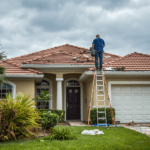
However, every local homeowner knows this tropical environment comes with a distinct seasonal caveat. That caveat is hurricane season. Between June and November, sudden tropical depressions, severe summer thunderstorms, and major hurricanes put our properties to the test. High wind loads, flying debris, and torrential downpours can transform a beautifully manicured home into a stressful construction zone in a matter of hours. Consequently, when a severe weather system rolls through Lee or Charlotte County, the aftermath can leave you feeling completely overwhelmed. The sheer volume of property maintenance tasks ahead can be daunting.
Fortunately, the secret to minimizing long-term structural issues is addressing property damage immediately. In our unique coastal climate, letting even a minor issue sit for a few weeks can result in skyrocketing repair bills.
At GQ Properties, we have spent over 25 years helping local homeowners navigate the aftermath of severe weather. Therefore, this comprehensive guide is designed to help you identify the most frequent types of property damage. You will understand the mechanics of how storms impact your home. Finally, you will master the essential steps for addressing Common Storm Damage Repairs to keep your sanctuary safe, dry, and secure.
Why Immediate Action is Critical for Common Storm Damage Repairs
When a storm clears and the blue Florida skies return, it is tempting to breathe a sigh of relief. Many homeowners put property repairs on the back burner, especially if the house seems mostly intact. However, delaying your home inspections can be a catastrophic financial mistake.
Southwest Florida possesses a highly volatile combination of intense summer heat and extreme ambient humidity. This combination creates a high-velocity incubation chamber for environmental hazards. For example, wind drafts can easily push a single roof tile out of place. Next, rain saturates your underlying plywood decking. Within just 24 to 48 hours, that trapped moisture bakes under the brutal 90-degree Florida sun. As a result, it will explode into a hazardous mold and mildew infestation inside your attic or drywall ceilings.
Furthermore, structural vulnerabilities left unaddressed leave your home completely exposed to the next thunderstorm or tropical system. A loose fascia board or a slightly shifted garage door might survive a minor storm. However, it will quickly fail when subjected to the next round of high wind loads. Therefore, addressing your maintenance tasks systematically protects your property value. Additionally, it preserves your insurance claim eligibility.
Roof Envelope Vulnerabilities and Common Storm Damage Repairs
Your roof is your home’s absolute first line of defense against atmospheric forces. Because the intense Florida sun beats down on our houses year-round, roofing materials naturally degrade over time. They become brittle and highly susceptible to storm forces. Consequently, when severe wind drafts hit a residential structure, they create an aerodynamic lifting force across the roof plane. These forces specifically target corners, ridges, and eaves.
Shingle and Tile Displacements
Asphalt shingles can easily tear, crack, or blow away entirely under high wind conditions. This leaves the delicate underlayment below completely exposed. For homes with concrete or clay tile roofs—which are incredibly common throughout communities like Estero and Bonita Springs—high winds cause severe issues. They can lift tiles, crack them via flying debris, or dislodge them entirely. Even if a tile looks intact from the ground, it may be cracked underneath. This damage creates a direct path for water to pool on your roof deck.
Soffit, Fascia, and Gutter Blowouts
Roof damage isn’t limited to the top of your house. Strong wind drafts frequently get trapped underneath roof overhangs. This builds upward pressure that blows out aluminum or vinyl soffits. Once your soffits are missing, wind and driving rain have open access directly into your attic space. This intrusion can easily cause a catastrophic ceiling collapse inside your living areas. Additionally, torrential storm runoff mixed with high winds can twist, sag, or completely tear gutters away from the fascia board. This destruction ruins your home’s localized water management system.
Essential Repair Protocols:
Emergency Tarping: Cover exposed roof sections immediately with heavy-duty waterproof tarps secured with wood furring strips to prevent secondary water damage.
Granule & Underlayment Assessment: Inspect the surrounding areas for bare underlayment or heavy shingle granule loss, which accelerates UV wood rot.
Component Replacement: Securely fasten matching, hurricane-rated shingles or tiles, replace blown-out soffit panels, and re-anchor sagging gutters to structural framing.
Water Intrusion Solutions and Common Storm Damage Repairs
In Southwest Florida, water intrusion is often far more insidious and financially destructive than wind damage. When tropical systems stall over Lee County, they bring hours of sustained, wind-driven rain that forces water horizontally into microscopic gaps that would normally stay dry during a regular afternoon shower.
Drywall and Ceiling Degradation
Once water manages to bypass your roof envelope or window seals, it migrates downward via gravity. The first sign is typically a yellowish-brown ring or expanding water stain on your ceiling drywall. If left unaddressed, the gypsum core of the drywall absorbs water like a sponge, causing the paint to bubble, the tape seams to split, and the ceiling structure to sag under the weight of wet attic insulation.
Window, Threshold, and Stucco Failures
The exterior envelope of a Florida home relies heavily on caulking, weatherstripping, and stucco integrity. High wind pressures can force rainwater right through aging window tracks or worn door thresholds. Furthermore, flying debris can cause hairline fractures or impact chips in your exterior stucco. During a storm, wind-driven rain penetrates these stucco cracks, trapping moisture between your exterior concrete block and your interior furring strips and drywall.
Essential Repair Protocols:
Thermal Moisture Mapping: Use moisture meters or infrared tools to track the exact boundaries of hidden water migration behind walls and ceilings.
Controlled Demolition & Dry-Out: Remove heavily saturated drywall and wet insulation to prevent mold growth, and deploy commercial air movers and dehumidifiers.
Sealing the Envelope: Apply premium, elastomeric caulking to window frames, replace missing door weatherstripping, and patch exterior stucco cracks with specialized masonry sealants to restore water resilience.
Fence Restoration and Common Storm Damage Repairs
Your fence does more than just outline your property boundaries; it acts as a windbreak for your landscaping and provides essential security for children and pets. Unfortunately, fences are among the most frequently damaged structures during a Southwest Florida storm.
Structural Framework Collapses
Whether your fence is constructed from natural wood privacy panels or modern white vinyl, it acts like a massive sail during a storm. As high winds buffet the panels, they transfer thousands of pounds of lateral pressure directly down into the vertical fence posts. If the soil is heavily saturated by torrential rainfall, the ground softens, causing fence posts to lean, snap at ground level, or heave right out of their concrete footings.
Dislodged Panels and Flying Projectiles
Sustained winds or falling tree branches can easily rip individual pickets or entire fence sections away from their support rails. In a storm environment, a loose fence panel quickly transforms into a dangerous projectile that can fly through a sliding glass door or damage a neighbor’s pool cage enclosure. Missing sections also leave your yard completely exposed to roaming wildlife or security hazards.
Essential Repair Protocols:
Post Realignment & Concrete Resetting: Excavate broken or leaning posts, install structurally sound pressure-treated timber or vinyl support posts, and pour fresh concrete footings below the frost line/grade.
Panel and Rail Reinforcement: Re-hang fallen sections using heavy-duty, corrosion-resistant exterior fasteners designed to withstand coastal salt air.
Hardware Upgrades: Install heavy-duty drop rods and reinforced gate latches to prevent gates from swinging violently and tearing away from their hinges during high-wind events.
Professional Local Home Care Across Southwest Florida
Successfully tackling storm damage repairs requires localized experience, the right equipment, and an understanding of Florida building codes. At GQ Properties, we are proud to be the trusted property maintenance and handyman partner for homeowners throughout our local communities.
We proudly serve homeowners and property managers across the entire region, including:
Cape Coral
Fort Myers & North Fort Myers
Estero & Bonita Springs
Lehigh Acres
Punta Gorda
Whether you are dealing with a sagging gutter system, a water-stained ceiling, or a completely collapsed privacy fence, our team delivers reliable craftsmanship, transparent communication, and timely solutions to restore your home’s security and curb appeal.
Conclusion: Build Resilience into Your Home Today
A storm is an undeniable force of nature, but a well-maintained home is incredibly resilient. By addressing Common Storm Damage Repairs immediately, you stop minor maintenance issues from spiraling into expensive, long-term structural headaches. Protecting your roof envelope, sealing out water intrusion, and reinforcing your perimeter fencing preserves your piece of paradise for years to come.
You don’t have to handle the stress of storm recovery or home maintenance all by yourself. Let the professionals handle the hard work safely, quickly, and correctly.
Let GQ Properties Restore Your Peace of Mind
Whether you need an emergency post-storm repair, a seasonal maintenance check, or general handyman fixes to ensure your home is fully storm-ready, GQ Properties is here to help. With 25 years of trusted local experience in Lee County, we provide the professional service you need to protect your property with total confidence.
Contact us today for a professional property assessment or to schedule your home repairs!
📞 Call: 239-292-3194
📧 Email: services@gqpropertiesfl.com
📝 Request a quote online
GQ Properties — Your Trusted Handyman in Southwest Florida
“Need help with repairs or maintenance around your Southwest Florida home? Reach out to GQ Properties FL—we’re here to help.”